
Zia Hasan
August 30, 2025
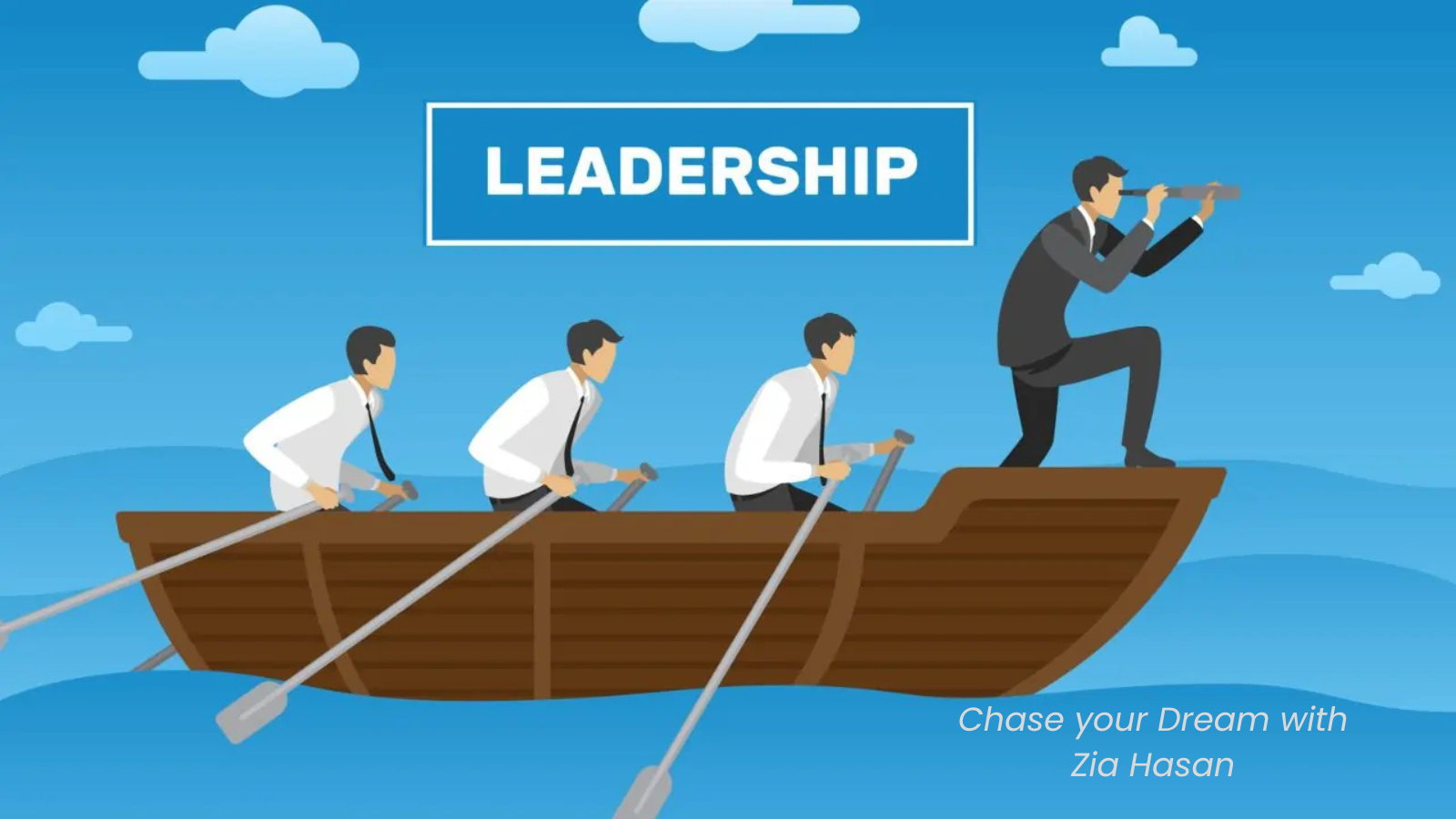
What does it take to lead people in times of uncertainty? To make decisions under pressure? To inspire others even when the odds seem impossible? These are not only the challenges of the battlefield—they are the realities of the modern workplace.
Military leadership is built on discipline, accountability, and vision. While the context of war and corporate life may be different, the principles of leadership remain the same. Having served nearly three decades in the Bangladesh Army, including commanding multinational forces in United Nations missions, I have seen firsthand how the lessons of military leadership can transform not only soldiers but also students, professionals, and future leaders.
In this post, we will explore how the timeless values of military discipline can help you succeed in your career, your studies, and your personal life.
In the military, discipline is not about blind obedience—it is about creating consistency that allows freedom. Soldiers train relentlessly so that in moments of crisis, their actions are second nature.
For young professionals, discipline is the foundation of growth. If you build habits of punctuality, time management, and focus, you gain the freedom to take on bigger opportunities without being overwhelmed. Discipline frees you from chaos.
Ask yourself: Do I control my habits, or do my habits control me?
Every military operation begins with a clear mission statement. Ambiguity in the field can cost lives. Similarly, in business, academics, or personal growth, lack of clarity wastes time and energy.
Successful leaders define their mission clearly and communicate it effectively to their teams. For you, this could mean setting clear academic goals, identifying your career objectives, or mapping out personal milestones.
Clarity creates alignment—and alignment creates results.
In the Army, soldiers don’t follow ranks, they follow leaders. A commander who is unwilling to share hardships with his troops quickly loses respect. True leadership is not about titles; it’s about action.
Young professionals often ask how they can influence without authority. The answer is simple: by leading through example. Show reliability, integrity, and initiative, and others will naturally follow. Leadership is earned, not given.
No battle plan survives contact with the enemy. Conditions change, obstacles arise, and leaders must adapt quickly. This flexibility separates effective commanders from the rest.
In the workplace, adaptability is just as critical. Projects get delayed, market conditions shift, or technology disrupts entire industries. Those who cling rigidly to one plan often fail, while those who adjust succeed.
Remember: adaptability is not weakness—it is strength.
A single soldier, no matter how skilled, cannot win a war. Success comes from coordination, trust, and collective effort. In peacekeeping missions I led, teams included soldiers from seven countries, each with different languages, cultures, and mindsets. Yet, with shared vision and mutual respect, they operated as one unit.
For students and professionals, the same applies. Collaboration, empathy, and effective communication turn a group of individuals into a winning team. Success in the 21st century will belong to those who can bring diverse people together for a common goal.
In military leadership, accountability is absolute. A commander takes responsibility not only for his actions but also for the outcomes of his unit. This principle creates trust, both upward and downward.
In business or academics, accountability works the same way. When you admit mistakes, own responsibilities, and deliver on promises, you earn the trust of peers, superiors, and clients. Accountability is not a burden—it is the currency of credibility.
Military life is full of setbacks—missions that don’t go as planned, losses that test your spirit, and challenges that push you beyond limits. Yet, resilience is what allows soldiers to rise again and continue the mission.
For young professionals, setbacks are inevitable—failed exams, rejected job applications, or stalled projects. What defines your success is not the setback itself but how you recover. Resilience is the bridge between failure and success.
You don’t need to wear a uniform to benefit from these principles. Here’s how you can apply them today:
Discipline: Create daily routines that align with your long-term goals.
Clarity: Write down your mission—your “why”—and revisit it often.
Lead by Example: Take initiative in group projects, workplaces, or communities.
Adaptability: Stay open to feedback and flexible in your approach.
Teamwork: Build trust by listening, collaborating, and respecting diversity.
Accountability: Own your actions and keep your commitments.
Resilience: Treat every setback as a lesson, not a defeat.
Leadership is not reserved for the battlefield—it is a way of life. The discipline, clarity, and resilience that guide soldiers in times of war can guide students in classrooms, professionals in offices, and entrepreneurs in business ventures.
As you navigate your own journey, remember: the essence of leadership is not about commanding others, but about mastering yourself. When you lead with discipline, adaptability, and integrity, you not only succeed—you inspire others to follow.
The battlefield may be different, but the lessons remain timeless. Whether in uniform or in a suit, true leadership is built on courage, commitment, and the will to serve something greater than yourself.